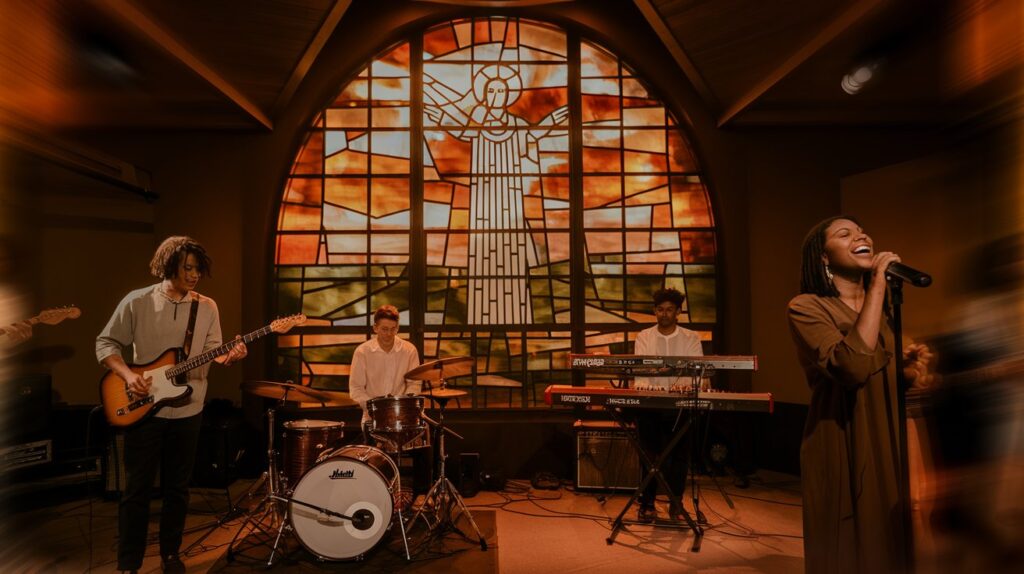
Worship music is a sacred form of musical expression designed to honor, praise, and connect with God through song. This genre encompasses various styles from traditional hymns to contemporary worship music, each serving to facilitate spiritual connection and community worship experiences. Understanding what defines worship music helps believers engage more meaningfully in their faith journey.
What Defines Worship Music
Worship music is fundamentally characterized by its purpose rather than its musical style. The primary defining feature is its intentional focus on directing hearts and minds toward God in reverence, adoration, and spiritual connection. Unlike secular music that may entertain or inform, worship music specifically aims to facilitate an encounter between the worshipper and the divine.
The lyrical content of worship songs typically includes themes of God’s character, biblical truths, personal testimony, and expressions of faith. These songs often incorporate scripture directly or reference biblical concepts, making them vehicles for both worship and spiritual education. In 2024, worship music continues to evolve while maintaining these core definitional elements across all denominations.
Biblical Foundation of Worship Music
The bible provides extensive guidance on worship music, establishing its importance from the earliest biblical accounts. In Ephesians 5:19, believers are instructed to speak to one another in psalms, hymns, and spiritual songs, singing and making melody to the Lord with their hearts. This verse demonstrates that worship music in the bible serves both vertical worship to God and horizontal encouragement among believers.
Colossians 3:16 further emphasizes how worship music should be filled with God’s word, teaching and admonishing one another through song. The Psalms themselves represent the largest collection of worship songs in scripture, with King David’s compositions serving as templates for heartfelt worship expression. These biblical foundations show that worship music has always been integral to faith communities throughout history.
Old Testament Worship Music Examples
The Old Testament contains numerous examples of worship music being used in significant spiritual moments. Moses and Miriam led the Israelites in worship songs after crossing the Red Sea, demonstrating how music naturally flows from experiences of God’s deliverance. The temple worship established by David included organized musical worship with instruments, choirs, and specific liturgical songs that formed the foundation for modern worship practices.
New Testament Worship Principles
The New Testament provides principles for worship music that emphasize heart posture over musical performance. Jesus taught that true worshippers worship in spirit and truth, establishing that authentic worship comes from genuine faith rather than musical skill alone. The early church incorporated singing into their gatherings, with Paul and Silas famously worshipping through song even while imprisoned, showing worship music’s power in all circumstances.
Types of Worship Music
Understanding the various types of worship music helps congregations and individuals select appropriate songs for different worship contexts. Each style serves unique purposes while maintaining the common goal of facilitating worship experiences. Modern worship encompasses traditional, contemporary, and blended approaches that cater to diverse preferences and cultural backgrounds.
Traditional Hymns and Liturgical Music
Traditional worship music includes hymns that have been sung for centuries, often featuring rich theological content and classical musical arrangements. These songs typically use formal language and complex melodies that require musical training to perform well. Popular traditional hymns like ‘Amazing Grace’ and ‘How Great Thou Art’ continue to be beloved in many churches across the United States in 2025.
Contemporary Worship Music
Contemporary worship music emerged in the late 20th century, incorporating modern musical styles including rock, pop, and folk elements. This genre typically features simpler melodies, repetitive choruses, and contemporary language that makes songs more accessible to modern congregations. Artists like Hillsong, Bethel Music, and Elevation Worship have shaped this genre significantly, with their songs being sung in thousands of churches nationwide.
Gospel and Spiritual Music Traditions
Gospel music represents a distinctive American contribution to worship music, emerging from African American church traditions and incorporating blues, jazz, and soul influences. This style emphasizes emotional expression, call-and-response patterns, and powerful vocal delivery. The difference between worship music vs gospel music often relates to stylistic elements, though both serve worship purposes within their respective cultural contexts.
Difference Between Praise and Worship Music
The difference between praise and worship music lies primarily in their focus and emotional tone. Praise music typically celebrates God’s actions and attributes with upbeat, joyful expressions that often include dancing and energetic participation. These songs focus on what God has done and continues to do, creating an atmosphere of celebration and thanksgiving.
Worship music, conversely, tends toward more intimate, reverent expressions that focus on who God is rather than what He has done. These songs often feature slower tempos, contemplative lyrics, and create space for personal reflection and spiritual intimacy. Many worship services incorporate both types, beginning with praise to prepare hearts and transitioning to worship for deeper spiritual connection.
Modern Worship Music Platforms and Accessibility
In 2025, worship music accessibility has expanded dramatically through digital platforms. YouTube hosts millions of worship songs, making it easy for individuals and churches to access both popular and obscure worship music. Streaming services like Spotify and Apple Music feature dedicated worship playlists and artist catalogs that serve both personal devotion and church preparation needs.
Worship music instrumental versions have become increasingly popular for meditation, prayer, and background music during church services. Many artists now release instrumental versions alongside vocal tracks, providing flexibility for different worship contexts. The phrase ‘play some worship music’ has become a common request to voice assistants, demonstrating how integrated worship music has become in daily spiritual practices.
The Role of Worship Music in Church Services
Worship music serves multiple functions within church services, acting as both a tool for spiritual preparation and a means of corporate worship expression. Music helps unite congregations in common worship, regardless of individual musical abilities or preferences. The careful selection of songs can guide worshippers through various spiritual emotions and responses throughout the service.
Worship leaders in American churches spend significant time selecting songs that complement sermon themes and seasonal celebrations. This integration creates cohesive worship experiences that reinforce biblical teachings through multiple sensory channels. Research from 2024 shows that congregations report deeper spiritual engagement when worship music aligns with teaching content and seasonal church calendar events.
Cultural Impact and Contemporary Relevance
The cultural impact of worship music extends beyond church walls, influencing mainstream music and providing spiritual content for broader audiences. Many contemporary Christian artists achieve crossover success, introducing worship concepts to secular audiences while maintaining their spiritual message integrity. This broader reach helps fulfill the biblical mandate to make disciples of all nations through various cultural mediums.
Contemporary worship music continues evolving to reflect current musical trends while preserving theological accuracy and worship focus. Churches across the United States report that relevant musical styles help attract younger generations while traditional elements maintain connection with established congregants. This balance requires careful consideration of both musical excellence and spiritual authenticity in worship planning.
Related video about what is worship music
This video complements the article information with a practical visual demonstration.
Frequently Asked Questions
What defines worship music?
Worship music is defined by its primary purpose of directing hearts and minds toward God in reverence, adoration, and spiritual connection. Unlike secular music, worship music specifically aims to facilitate encounters between worshippers and the divine through lyrical content focused on God’s character, biblical truths, and expressions of faith.
What does the Bible say about worship music?
The Bible extensively supports worship music, with verses like Ephesians 5:19 instructing believers to speak in psalms, hymns, and spiritual songs. Colossians 3:16 emphasizes that worship music should be filled with God’s word, teaching and encouraging one another. The Psalms themselves represent the largest biblical collection of worship songs.
What are the 4 types of worship songs?
The four main types of worship songs include: traditional hymns with rich theological content, contemporary worship music featuring modern musical styles, gospel music incorporating blues and soul influences, and liturgical music designed for formal worship services. Each type serves unique worship purposes while maintaining focus on honoring God.
What’s the difference between praise and worship music?
Praise music celebrates God’s actions and attributes with upbeat, joyful expressions focusing on what God has done. Worship music tends toward intimate, reverent expressions focusing on who God is, typically featuring slower tempos and contemplative lyrics. Many services incorporate both types for comprehensive worship experiences.
What is worship music called in different traditions?
Worship music is called by various names depending on tradition: hymns in traditional churches, contemporary Christian music in modern settings, gospel music in African American traditions, praise and worship in charismatic churches, and liturgical music in formal denominational services. Each term reflects specific stylistic and cultural approaches to worship.
How has worship music evolved in 2025?
In 2025, worship music has expanded through digital platforms like YouTube and streaming services, making songs more accessible globally. Contemporary worship continues incorporating current musical trends while maintaining theological accuracy. Instrumental worship music has gained popularity for personal devotion and church background music, with voice assistant integration becoming common.
| Worship Music Aspect | Key Characteristics | Spiritual Benefit |
|---|---|---|
| Biblical Foundation | Scripturally based content, theological accuracy | Spiritual education and truth reinforcement |
| Praise Music | Upbeat, celebratory, focuses on God’s actions | Joy, thanksgiving, community celebration |
| Worship Music | Intimate, reverent, focuses on God’s character | Spiritual intimacy, personal reflection |
| Contemporary Style | Modern musical elements, accessible language | Cultural relevance, broader appeal |
| Digital Accessibility | Online platforms, streaming, instrumental versions | Personal devotion, flexible worship options |