
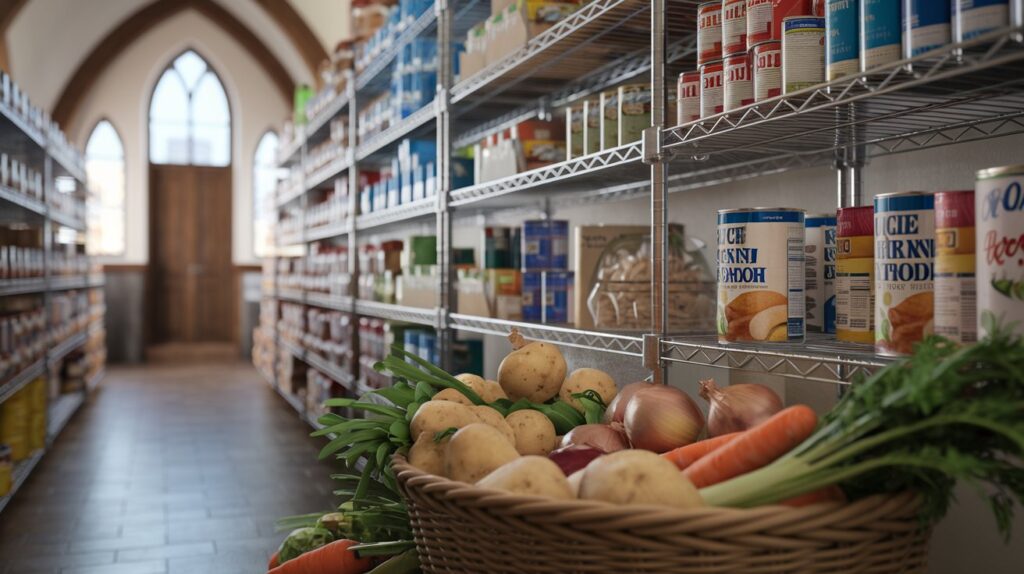
Starting a food pantry at church involves careful planning, community assessment, and strategic organization to effectively serve those facing food insecurity. With over 38 million Americans experiencing food insecurity in 2024, church food pantries play a crucial role in addressing local hunger while strengthening community bonds and fulfilling the church’s mission of service.
Before You Begin: Essential Preparation Steps
Before launching your church food pantry, conduct thorough preparation to ensure long-term success. Begin by securing pastoral approval and board support, as leadership backing is crucial for sustainability. Research local regulations, food safety requirements, and any licensing needed in your state. Many states require food handling certifications for volunteers, and health department inspections may be mandatory for food distribution operations.
Connect with existing food banks and pantries in your area to understand the current landscape and identify gaps your church can fill. This research prevents duplication of services and helps establish collaborative relationships. Document your findings and create a preliminary proposal outlining your church’s unique contribution to addressing food insecurity in your community.
Assessing Your Community’s Food Security Needs
Conduct a comprehensive community needs assessment by analyzing local demographics, poverty rates, and existing food assistance programs. Use census data to identify households earning below 185% of the federal poverty line, as these families often struggle with food access. Survey your congregation and neighborhood residents about food security challenges, preferred distribution times, and dietary restrictions to tailor your services effectively.
Building Your Organizing Committee
Form a dedicated organizing committee with 5-7 committed members representing diverse skills and church demographics. Include individuals with experience in nonprofit management, food service, logistics, and community outreach. Assign specific roles such as coordinator, volunteer manager, food procurement specialist, and community liaison. Establish regular meeting schedules and clear communication channels to maintain momentum throughout the planning process.
Finding and Preparing Your Food Pantry Space
Selecting an appropriate food pantry space requires balancing accessibility, storage capacity, and operational efficiency. Ideal spaces include fellowship halls, unused classrooms, or dedicated storage areas with easy access for both clients and delivery trucks. The space should accommodate food storage shelving, sorting areas, and client waiting zones while maintaining dignity and privacy for those seeking assistance.
Ensure your chosen space meets health department requirements including proper ventilation, temperature control, and pest prevention measures. Install adequate lighting and consider client comfort with seating areas and clear signage. Calculate storage needs based on projected client volume, typically requiring 10-15 square feet per family served weekly plus additional space for food storage and volunteer operations.
Essential Equipment and Setup Requirements
Equip your food pantry with commercial-grade shelving, refrigeration units for perishables, and food safety supplies including thermometers and cleaning materials. Invest in shopping carts or baskets for client use, scales for portion control, and storage containers for bulk items. Budget approximately $3,000-$8,000 for initial equipment depending on pantry size and refrigeration needs.
Creating Client-Friendly Distribution Areas
Design your distribution area to maintain client dignity while ensuring efficient operations. Create a client-choice model where individuals can select items based on family preferences rather than receiving pre-packed bags. Organize food by categories with clear labels, and provide nutrition information and recipe suggestions to promote healthy eating habits among pantry users.
Food Procurement and Sourcing Strategies
Successful food procurement requires diversifying sources to ensure consistent inventory and nutritional variety. Partner with regional food banks which typically provide food at $0.15-$0.20 per pound, significantly reducing operational costs. Feeding America, the nation’s largest hunger-relief organization, operates 200 food banks serving 60,000 food pantries across the United States, making it an essential partner for most church pantries.
Establish relationships with local grocery stores for surplus produce, bakery items, and near-expiration products. Many chains including Walmart, Kroger, and Whole Foods have established donation programs for nonprofits. Supplement purchased and donated food with congregation food drives, community partnerships, and seasonal campaigns that can provide 30-50% of your inventory through community donations.
Working with Food Banks and Distribution Networks
Register your church food pantry with your regional food bank to access wholesale pricing and donated products. Most food banks require member agencies to complete food safety training, maintain proper storage conditions, and submit monthly distribution reports. Expect to pay annual membership fees ranging from $50-$500 depending on your region and anticipated food volume.
Building Community Food Drive Programs
Organize systematic food drives targeting high-demand, shelf-stable items including canned proteins, whole grains, and hygiene products. Partner with local schools, businesses, and civic organizations for quarterly campaigns. Provide specific shopping lists emphasizing nutritious options and discourage expired or inappropriate donations through clear communication and volunteer training.
Organizing Efficient Distribution Operations
Develop streamlined distribution operations that serve clients efficiently while maintaining operational sustainability. Establish consistent operating hours, typically 2-4 hour blocks weekly, and create client intake procedures that respect privacy while gathering necessary demographic information for reporting requirements. Design traffic flow patterns that minimize congestion and ensure adequate volunteer coverage for all operational areas.
Implement inventory management systems to track food distribution, monitor expiration dates, and identify popular items for future procurement. Use simple spreadsheets or specialized pantry management software like Link2Feed or FoodPantryHelper to streamline operations. Plan for serving 50-150 families weekly during initial operations, with potential growth requiring expanded hours and additional volunteer coordination.
Client Registration and Intake Procedures
Establish respectful client registration processes that gather essential information while protecting dignity and privacy. Collect basic demographic data for grant reporting requirements but avoid overly invasive questioning. Create simple intake forms capturing household size, zip code, and income range without requiring extensive documentation that might discourage participation.
Volunteer Training and Coordination Systems
Develop comprehensive volunteer training programs covering food safety, client interaction protocols, and operational procedures. Train 15-25 regular volunteers to ensure adequate coverage and prevent burnout. Establish rotation schedules accommodating different availability and create specialized roles for volunteers with specific skills or physical limitations.
Funding Your Church Food Pantry Operations
Understanding how much does it cost to start a food pantry helps churches plan realistic budgets and fundraising strategies. Initial startup costs typically range from $5,000-$15,000 including equipment, initial food purchases, and facility modifications. Monthly operating expenses average $1,500-$4,000 depending on client volume, covering food procurement, utilities, supplies, and insurance.
Explore multiple funding streams including congregational support, community grants, and corporate sponsorships. Many churches allocate 10-15% of their annual mission budget to food pantry operations. Apply for grants from local foundations, United Way chapters, and federal programs like the Emergency Food Assistance Program (TEFAP) which provides commodity foods to eligible organizations.
Grant Opportunities and Application Strategies
Research grants to start a food pantry through foundations, government agencies, and corporate giving programs. Target local community foundations which often prioritize addressing food insecurity in their service areas. Walmart Foundation, Feeding America, and regional United Way chapters offer grants ranging from $1,000-$25,000 for food access initiatives. Prepare compelling grant applications highlighting your church’s community connections and unique service approach.
Sustainable Fundraising and Community Support
Build ongoing fundraising programs including annual giving campaigns, special events, and corporate partnerships. Engage congregation members through regular updates, volunteer opportunities, and specific funding requests for equipment or special programs. Partner with local businesses for sponsorships, food drives, and employee volunteer programs that strengthen community connections while supporting operations.
Promoting Your Church Food Pantry Effectively
Successful church food pantry promotion requires multi-channel outreach strategies that reach diverse community populations while maintaining sensitivity around food insecurity stigma. Develop partnerships with local social service agencies, schools, and healthcare providers who can refer families in need. Create informational materials in multiple languages reflecting your community’s demographics and distribute through community centers, libraries, and healthcare facilities.
Utilize digital marketing through your church website, social media platforms, and community Facebook groups to share operating hours, special programs, and volunteer opportunities. Avoid promotional language that might embarrass potential clients, instead emphasizing community support and neighborhood cooperation. Partner with local media for feature stories highlighting community impact rather than individual client stories to maintain privacy and dignity.
Related video about how to start a food pantry at church
This video complements the article information with a practical visual demonstration.
Most asked questions about how to start a food pantry at church
How does a food pantry work at a church?
Church food pantries operate by collecting donated and purchased food, organizing it in storage areas, and distributing it to community members facing food insecurity. Churches typically establish regular distribution hours, train volunteers to assist clients, partner with food banks for inventory, and maintain intake records for reporting requirements while serving anyone in need regardless of religious affiliation.
How much does it cost to open a food pantry?
Opening a church food pantry typically costs $5,000-$15,000 for initial setup including shelving, refrigeration equipment, and initial food purchases. Monthly operating expenses range from $1,500-$4,000 depending on client volume, covering food procurement, utilities, supplies, and insurance while serving 50-150 families weekly.
How do food pantries get funded?
Church food pantries receive funding through multiple sources including congregation donations, community grants, corporate sponsorships, and fundraising events. Many access wholesale food pricing through regional food banks, receive donated items from grocery stores, and organize community food drives to supplement purchased inventory while keeping operational costs manageable.
How to start a food pantry with no money?
Starting a food pantry with limited funds requires focusing on donated resources, volunteer labor, and community partnerships. Begin by organizing food drives, partnering with established food banks for discounted inventory, using existing church space, and applying for small grants from local foundations or United Way chapters that support food access initiatives in your community.
What are food pantry rules for clients?
Most church food pantries establish simple client guidelines including residency verification, household size documentation, and frequency limits typically allowing visits every 7-30 days. Rules should balance operational needs with accessibility, avoiding excessive documentation requirements that might discourage participation while maintaining basic eligibility criteria for fair distribution among community members.
How to start a nonprofit food pantry?
Starting a nonprofit food pantry requires filing for 501(c)(3) tax-exempt status, establishing a board of directors, creating bylaws, and meeting state regulatory requirements. The process typically takes 6-12 months and costs $1,000-$3,000 in filing fees and legal expenses, but provides access to grants, tax-deductible donations, and reduced-cost food through national distribution networks.
| Key Component | Essential Requirements | Community Impact |
|---|---|---|
| Space Planning | 10-15 sq ft per family served, refrigeration, shelving | Dignified food access for 50-150 families weekly |
| Food Sourcing | Food bank partnership, community drives, store donations | Consistent inventory at $0.15-$0.20 per pound |
| Volunteer Program | 15-25 trained volunteers, rotation schedules | Sustainable operations and community engagement |
| Funding Strategy | $5,000-$15,000 startup, $1,500-$4,000 monthly | Long-term food security support for local families |