
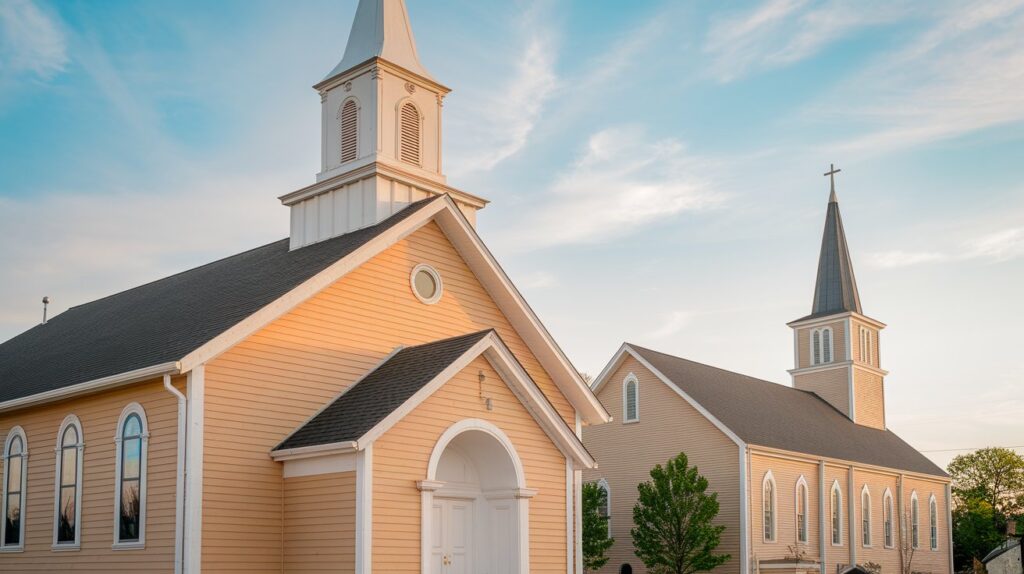
Understanding the difference between Baptist and non denominational churches is essential for anyone exploring Christian denominations in America. While both share core Christian beliefs, they differ significantly in church governance, baptism practices, and denominational affiliations. Baptist churches follow specific doctrinal traditions within established denominational structures, whereas non-denominational churches operate independently without formal denominational ties, emphasizing local church autonomy and biblical authority.
What Are Baptist Churches and Their Core Beliefs
Baptist churches represent one of the largest Protestant denominations in the United States, with over 47 million members across various Baptist conventions as of 2024. These churches emphasize believer’s baptism by full immersion, congregational church governance, and the authority of Scripture. Baptist denominations include Southern Baptist Convention, American Baptist Churches USA, and Independent Baptist churches, each maintaining distinct theological positions while sharing fundamental Baptist principles.
The core doctrine that Baptists believe centers on salvation by faith alone, the priesthood of all believers, and congregational autonomy. Baptist churches practice closed or open communion depending on their specific convention, with most requiring baptism by immersion for church membership. Their worship services typically feature expository preaching, congregational singing, and strong emphasis on evangelism and missions work throughout local communities.
Understanding Non-Denominational Churches
Non denominational churches have experienced significant growth in the United States, with over 35,000 congregations representing approximately 12% of all Protestant churches in 2025. These churches intentionally avoid formal denominational affiliations, operating as independent congregations that emphasize direct biblical interpretation without denominational creeds or hierarchical oversight. Non-denominational churches prioritize local church autonomy and often attract believers seeking simplified Christianity without traditional denominational structures.
What non-denominationals believe varies significantly between individual congregations, as each church establishes its own doctrinal statements based on biblical interpretation. Most non-denominational churches affirm fundamental Christian beliefs including the Trinity, salvation through Jesus Christ, and biblical authority, while allowing flexibility in secondary theological matters. This approach appeals to Christians who prefer church communities focused on practical faith application rather than denominational traditions or formal theological systems.
Key Doctrinal Differences Between Baptist and Non-Denominational Churches
The primary difference between Baptist and non denominational churches lies in their approach to church authority and biblical interpretation. Baptist churches adhere to established confessions of faith like the Baptist Faith and Message, providing structured theological frameworks that guide church practices and beliefs. Non-denominational churches reject formal creeds, instead emphasizing individual biblical interpretation and congregational consensus on doctrinal matters, resulting in greater theological diversity among non-denominational congregations.
Baptism practices represent another significant distinction between these church types. Baptist churches universally practice believer’s baptism by full immersion, viewing it as essential for church membership and Christian obedience. Non-denominational churches may accept various baptism methods including sprinkling, pouring, or immersion, often recognizing baptisms performed in other Christian denominations. This flexibility reflects the non-denominational emphasis on unity over uniformity in church practices and theological interpretations.
Church Governance and Organizational Structure
Baptist church governance follows congregational polity, where local church members make decisions through democratic processes while maintaining connections to larger Baptist associations or conventions. Southern Baptist churches, for example, cooperate through the Southern Baptist Convention for missions, education, and resource sharing while preserving individual church autonomy. This structure provides support systems and accountability while respecting local church independence in matters of worship, staffing, and ministry focus.
Non denominational churches operate with complete independence from external denominational structures, relying solely on local leadership and congregational oversight. These churches may form voluntary associations with other non-denominational congregations for mutual support, but they reject formal denominational hierarchies or oversight bodies. This independence allows non-denominational churches greater flexibility in adapting worship styles, ministry programs, and theological positions to meet their specific community needs without denominational constraints.
Southern Baptist vs Non-Denominational Distinctions
The comparison between Southern Baptist vs non denominational churches reveals significant differences in theological conservatism and social positions. Southern Baptist churches adhere to the Baptist Faith and Message, maintaining traditional positions on biblical inerrancy, gender roles, and moral issues including strong opposition to LGBTQ+ affirmation. The Southern Baptist Convention, representing over 13 million members in 2024, provides unified guidance on doctrinal matters and social issues through annual conventions and published position statements.
Non denominational churches demonstrate greater diversity in social and theological positions, with individual congregations determining their stance on contemporary issues without denominational mandates. Some non-denominational churches embrace progressive positions on social justice and LGBTQ+ inclusion, while others maintain conservative theological positions similar to Southern Baptists. This flexibility allows non-denominational churches to adapt their ministries to diverse community needs while maintaining core Christian beliefs and practices.
Worship Styles and Church Culture Differences
Baptist churches traditionally emphasize formal worship services featuring hymnal singing, structured liturgy, and expository preaching from ordained ministers. Many Baptist congregations maintain traditional worship elements including organ music, choir performances, and formal church architecture. However, contemporary Baptist churches increasingly incorporate modern worship styles with praise bands, casual dress codes, and interactive sermon formats while preserving core Baptist theological distinctives and denominational identity.
Non denominational churches often embrace contemporary worship styles featuring modern music, casual atmospheres, and innovative ministry approaches designed to attract unchurched populations. These congregations frequently utilize multimedia presentations, contemporary Christian music, and interactive worship experiences that appeal to younger generations and families seeking relevant spiritual experiences. The absence of denominational traditions allows non-denominational churches greater freedom to experiment with worship formats and ministry methodologies.
Leadership Structure and Pastoral Authority
Baptist church leadership typically follows established denominational patterns with ordained pastors, deacons, and church committees managing various ministry areas. Baptist pastors often receive formal theological education through Baptist seminaries and maintain connections with denominational leadership networks for ongoing support and accountability. Church discipline and pastoral oversight operate within established Baptist traditions that emphasize congregational involvement in major church decisions while respecting pastoral authority in spiritual matters.
Non denominational church leadership structures vary significantly between congregations, with some churches embracing elder-led governance while others maintain pastoral authority or board-directed leadership models. Non-denominational pastors may come from diverse theological backgrounds and educational experiences, bringing varied ministry philosophies and leadership styles to their congregations. This diversity allows non-denominational churches to select leadership approaches that best serve their specific community contexts and ministry objectives.
Missions and Evangelism Approaches
Baptist churches participate in extensive missions programs through denominational agencies like the International Mission Board and North American Mission Board, contributing millions of dollars annually to global evangelism efforts. Local Baptist congregations emphasize personal evangelism, revival meetings, and community outreach programs designed to share the gospel message and baptize new believers. Baptist missions work often focuses on church planting, theological education, and humanitarian aid in partnership with established Baptist organizations worldwide.
Non denominational churches approach missions and evangelism through independent partnerships with various missionary organizations and parachurch ministries. These congregations often support multiple missionary families and organizations without denominational restrictions, allowing them to partner with diverse Christian ministries based on effectiveness and theological alignment. Non-denominational churches frequently emphasize community service, social justice initiatives, and practical ministry approaches that demonstrate Christian love through actions alongside verbal gospel presentation.
Biblical Interpretation and Theological Training
Baptist biblical interpretation emphasizes historical-grammatical hermeneutics within established theological frameworks provided by denominational confessions and centuries of Baptist theological scholarship. Baptist pastors typically receive formal theological education through accredited seminaries that teach systematic theology, biblical languages, and denominational distinctives. This structured approach provides consistency in biblical interpretation and theological understanding across Baptist congregations while maintaining respect for individual pastoral insights and applications.
Non denominational churches approach biblical interpretation with greater emphasis on individual study and congregational discussion without formal denominational oversight or required theological training for pastors. Some non-denominational pastors hold advanced theological degrees, while others rely on practical ministry experience and personal biblical study. This flexibility allows non-denominational churches to explore diverse theological perspectives and contemporary biblical scholarship while maintaining commitment to biblical authority and Christian orthodoxy in core doctrinal matters.
Financial Support and Resource Sharing
Baptist churches participate in cooperative giving programs that support denominational ministries, missions work, and educational institutions through structured financial partnerships. The Southern Baptist Cooperative Program, for example, allows local churches to pool resources for global missions, seminary education, and church planting initiatives while maintaining local church autonomy in budget decisions. Baptist churches also benefit from denominational resources including curriculum materials, training programs, and administrative support services.
Non denominational churches manage their finances independently without denominational giving requirements or cooperative funding obligations. These congregations direct their missions and ministry funding according to local priorities and pastoral leadership decisions, often supporting multiple independent ministries and missionary families. Non-denominational churches purchase resources from various Christian publishers and ministry organizations, selecting materials that align with their specific theological positions and ministry philosophies without denominational constraints or recommendations.
Related video about difference between baptist and non denominational
This video complements the article information with a practical visual demonstration.
What you should know
How are Baptists different than other denominations?
Baptists differ from other denominations primarily through their emphasis on believer’s baptism by full immersion, congregational church governance, and strong commitment to individual soul liberty. Unlike Presbyterian or Methodist churches that practice infant baptism, Baptist churches require personal faith decisions before baptism. Baptist churches also maintain greater local autonomy compared to episcopal or hierarchical denominational structures found in Catholic or Anglican traditions.
What do non-denominationals believe?
Non-denominational churches believe in core Christian doctrines including salvation through faith in Jesus Christ, biblical authority, and the Trinity, but they reject formal denominational creeds or confessions. Their beliefs vary between individual congregations since each church develops its own doctrinal statements based on biblical interpretation. Most non-denominational churches emphasize practical Christianity, personal relationship with God, and simplified faith without traditional denominational complexities.
Do baptist churches support LGBT?
Most Baptist churches, particularly Southern Baptist congregations, do not support LGBTQ+ lifestyles or same-sex marriage, viewing these practices as inconsistent with biblical teachings. The Southern Baptist Convention has officially affirmed traditional marriage between one man and one woman and opposes LGBTQ+ ordination. However, some progressive Baptist churches and American Baptist congregations have adopted more inclusive positions, demonstrating diversity within Baptist denominations on social issues.
What denomination are non-denominational churches closest to?
Non-denominational churches most closely resemble Baptist or evangelical Protestant traditions in their emphasis on biblical authority, believer’s baptism, and personal faith decisions. Many non-denominational churches adopt worship styles and theological positions similar to Southern Baptist or Pentecostal denominations while rejecting formal denominational structures. However, non-denominational churches intentionally avoid denominational labels, preferring to identify simply as Christian churches following biblical principles without denominational affiliation.
What is the difference between non-denominational and Christian?
Non-denominational churches are Christian churches that choose to operate without formal denominational affiliations, while ‘Christian’ is a broader term encompassing all followers of Jesus Christ across various denominational and non-denominational contexts. All non-denominational churches are Christian, but not all Christian churches are non-denominational. The term ‘Christian’ includes Catholics, Orthodox, Protestant denominations like Baptist and Methodist, as well as non-denominational congregations, representing the entire body of Christ-followers worldwide.
How do Baptist and non-denominational churches differ in membership requirements?
Baptist churches typically require believer’s baptism by full immersion for church membership, along with public profession of faith and agreement with church doctrinal statements. Non-denominational churches have more flexible membership requirements, often accepting baptisms from other Christian denominations and focusing on personal faith commitment rather than specific baptism methods. Some non-denominational churches emphasize regular attendance and participation over formal membership processes, while Baptist churches maintain traditional membership rolls and voting privileges for baptized believers.
| Key Aspect | Baptist Churches | Non-Denominational Churches |
|---|---|---|
| Church Authority | Denominational confessions and local congregation | Biblical authority and local church autonomy |
| Baptism Practice | Believer’s baptism by full immersion required | Flexible baptism methods and recognition |
| Theological Consistency | Standardized through denominational frameworks | Varies by individual congregation |
| Leadership Training | Formal theological education through Baptist seminaries | Diverse educational backgrounds and experiences |
| Missions Support | Denominational agencies and cooperative programs | Independent partnerships with various ministries |
