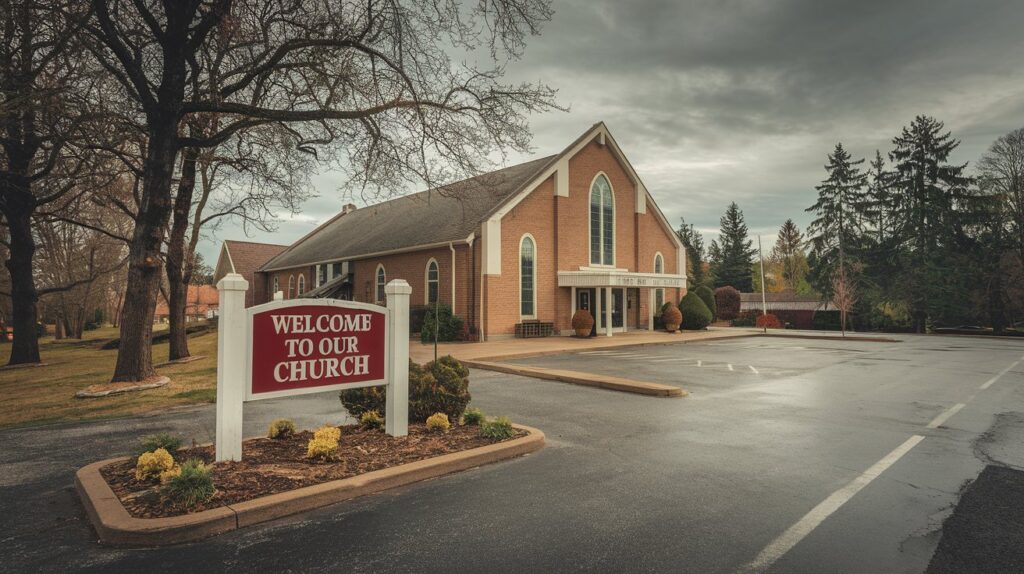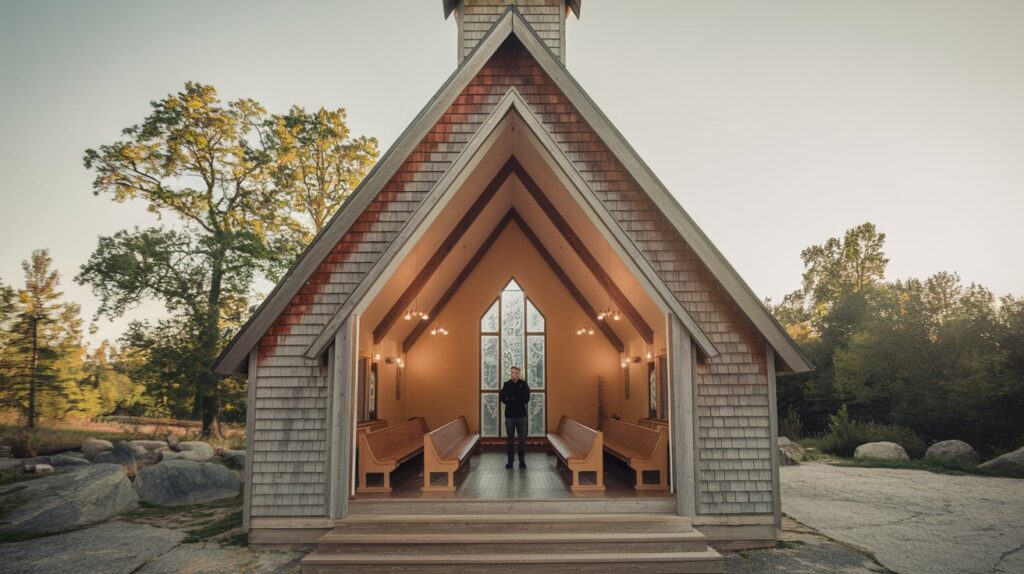
Starting a church is a significant spiritual and legal undertaking that requires careful planning and understanding of federal and state regulations. In 2025, approximately 4,000 new churches will be established across the United States, with specific requirements varying by state. This comprehensive guide covers everything from initial planning to obtaining tax-exempt status, helping you navigate the process of legally establishing your ministry.
What Does It Mean to Start a Church?
Starting a church involves establishing a legal religious organization that serves a community’s spiritual needs while complying with federal and state regulations. The process requires creating a formal religious institution that operates under specific legal structures designed for religious organizations. According to the IRS, churches must demonstrate religious purposes and activities that benefit the public good.
Church planting, as it’s commonly called, differs from simply holding informal religious gatherings. A legally recognized church must have defined doctrinal beliefs, regular worship services, and established leadership structure. The IRS defines a church based on fourteen characteristics including having a distinct religious history, literature, and established places of worship.
IRS Definition and Requirements for Churches
The Internal Revenue Service uses fourteen criteria to determine church status, though no single factor is decisive. These include having a recognized creed and form of worship, ordained ministers, regular religious services, and Sunday schools for religious instruction. Churches must also maintain formal leadership structures and demonstrate ongoing religious activities that serve the community.
Church Startup vs. Traditional Business Formation
Unlike traditional businesses, church startups focus on spiritual missions rather than profit generation. Churches operate as nonprofit religious organizations with specific tax advantages and regulatory requirements. The formation process emphasizes doctrinal foundations, community service, and religious education rather than commercial activities or shareholder returns.
Legal Requirements to Start a Church in 2025
The legal framework for starting a church involves multiple federal and state requirements that ensure compliance with religious organization standards. Each state maintains specific incorporation requirements for churches, with filing fees ranging from $50 to $300 depending on location. Understanding these requirements is crucial for establishing legitimate legal status and avoiding future complications.
Federal requirements include obtaining proper identification numbers and applying for tax-exempt status through the IRS. State requirements typically involve filing articles of incorporation and registering with appropriate state agencies. Some states like Texas and California have additional requirements for religious organizations operating within their jurisdictions.
State-Specific Incorporation Requirements
Different states have varying requirements for church incorporation. Starting a church in California requires filing with the Secretary of State and paying a $30 fee, while New York charges $75 for religious corporation filings. Texas offers streamlined processes for churches, with online filing available for $300. Michigan requires additional documentation proving religious purposes and community benefit.
Federal Documentation and Compliance
Federal compliance involves obtaining an Employer Identification Number (EIN) from the IRS, even if you don’t plan to have employees initially. Churches must also file Form 1023 for 501(c)(3) status, which provides tax exemption benefits. The application process typically takes 3-6 months and requires detailed information about your church’s organizational structure and religious activities.
Step-by-Step Church Formation Process
The church formation process follows a systematic approach that ensures legal compliance and operational readiness. Beginning with foundational planning and ending with tax-exempt status, each step builds upon the previous requirements. Most churches complete the entire process within 6-12 months, depending on state processing times and application complexity.
Successful church formation requires attention to detail and understanding of both spiritual and legal aspects. The process involves creating governing documents, establishing financial systems, and developing operational procedures that support your ministry’s mission while maintaining legal compliance standards.
Initial Planning and Vision Development
Begin by clearly defining your church’s mission, vision, and core beliefs. Document your statement of faith and identify your target community’s spiritual needs. Conduct market research to understand existing churches in your area and determine how your ministry will serve unique community needs. This foundation supports all subsequent legal and operational decisions.
Creating Essential Governing Documents
Draft comprehensive bylaws that outline your church’s governance structure, leadership roles, and operational procedures. Include provisions for board meetings, financial oversight, and conflict resolution. Your bylaws must comply with state nonprofit corporation laws while reflecting your religious beliefs and organizational structure. These documents serve as your church’s constitutional framework.
Church Incorporation and Legal Structure
Incorporating your church provides legal protection, tax benefits, and operational legitimacy that supports long-term ministry goals. Most churches choose nonprofit corporation status, which offers limited liability protection for leaders and members. The incorporation process varies by state but generally requires filing articles of incorporation with detailed information about your organization’s purpose and structure.
Legal incorporation enables churches to enter contracts, own property, and receive tax-deductible donations. It also provides credibility when applying for grants, establishing banking relationships, and partnering with other organizations. Without proper legal incorporation, churches face personal liability risks and operational limitations that can hinder ministry effectiveness.
Choosing the Right Legal Entity Type
Most churches incorporate as religious nonprofit corporations, which provide optimal tax benefits and operational flexibility. Some states offer specific religious corporation categories with tailored requirements for churches. Avoid LLC structures, which don’t qualify for church tax exemptions and may complicate your 501(c)(3) application process.
Articles of Incorporation Requirements
Your articles of incorporation must include specific language about religious purposes, dissolution clauses, and operational limitations required for 501(c)(3) qualification. Include provisions stating that no part of net earnings will benefit private individuals and that assets will be distributed to similar religious organizations upon dissolution. These requirements are mandatory for tax-exempt status approval.
Obtaining 501(c)(3) Tax-Exempt Status
The 501(c)(3) application process provides churches with federal tax exemption and enables donors to claim tax deductions for contributions. Form 1023 requires comprehensive documentation about your church’s activities, financial projections, and governance structure. The IRS currently processes church applications within 4-6 months, with application fees ranging from $275 to $600 depending on projected annual gross receipts.
Churches automatically qualify for tax exemption upon formation, but formal 501(c)(3) status provides additional benefits and legal protections. The application requires detailed financial information, including three years of projected budgets and revenue sources. Proper preparation and documentation significantly improve approval chances and reduce processing delays.
Financial Planning and Startup Costs
Starting a church requires careful financial planning to cover initial setup costs and ongoing operational expenses. Average startup costs range from $5,000 to $25,000 depending on location, size, and operational complexity. Major expenses include legal fees, filing costs, insurance, equipment, and facility expenses for the first year of operation.
Developing a comprehensive budget helps ensure adequate funding for sustainable operations. Consider costs for sound equipment, furniture, marketing materials, and professional services. Many churches begin with minimal startup costs by meeting in homes or rented facilities before transitioning to permanent locations as membership grows.
Essential Startup Expenses Breakdown
Legal and filing fees typically range from $500 to $2,000 including incorporation, EIN application, and 501(c)(3) filing. Equipment costs for basic sound systems, chairs, and worship materials average $3,000 to $8,000. Professional services including legal consultation, accounting setup, and initial marketing can cost $1,000 to $3,000. Insurance premiums for general liability and property coverage range from $800 to $2,400 annually.
Funding Sources and Financial Strategies
Initial funding typically comes from founding members’ contributions, personal savings, and denominational support. Crowdfunding platforms specifically designed for religious organizations can provide additional startup funding. Avoid commercial loans initially, as banks often require established financial history. Focus on building a sustainable donation base through community outreach and clear communication of your mission and financial needs.
Common Challenges and Solutions for New Churches
New churches face unique challenges including regulatory compliance, financial sustainability, and community acceptance. Understanding these potential obstacles helps church planters prepare effective solutions and avoid common pitfalls. Approximately 60% of new churches struggle with financial management during their first three years, making proper planning essential for long-term success.
Legal compliance issues often arise from inadequate understanding of tax requirements, employment law, and nonprofit regulations. Building relationships with experienced church leaders, legal professionals, and accountants provides valuable guidance throughout the startup process. Regular training and education help church leaders stay current with changing regulations and best practices.
Related video about how to start a church
This video complements the article information with a practical visual demonstration.
Most asked questions about how to start a church
Can anyone start their own church?
Yes, anyone can legally start a church in the United States, but it requires following proper legal procedures including incorporation, obtaining EIN numbers, and applying for 501(c)(3) status. The process involves creating governing documents, establishing religious purposes, and demonstrating legitimate ministry activities. Most states don’t require specific religious credentials, but churches must operate as genuine religious organizations rather than tax avoidance schemes.
How much does it cost to start a church?
Starting a church typically costs between $5,000 to $25,000 in the first year. Major expenses include incorporation fees ($50-$300), 501(c)(3) application ($275-$600), legal consultation ($500-$2,000), basic equipment ($3,000-$8,000), insurance ($800-$2,400 annually), and facility costs. Costs vary significantly based on location, size, and operational complexity. Many churches start with minimal costs by meeting in homes or rented spaces.
Can you start a church by yourself?
While legally possible, starting a church alone is challenging and not recommended. Most successful churches begin with a core group of committed members who share the vision and provide initial support. Many states require multiple board members for nonprofit incorporation. Building a founding team provides diverse skills, financial support, and credibility within the community. Solo church plants have higher failure rates compared to team-based startups.
How to start a church with no money?
Starting a church with limited funds requires creative approaches including meeting in homes, using free venues like community centers, borrowing equipment, and relying on volunteer labor. Begin with essential legal requirements (incorporation and EIN are relatively inexpensive), then gradually build resources through donations and community support. Many successful churches started with under $1,000 by focusing on relationships and ministry rather than facilities and equipment.
How long does it take to legally establish a church?
The complete legal establishment process typically takes 6-12 months from initial planning to receiving 501(c)(3) approval. State incorporation usually takes 2-6 weeks, while federal tax-exempt status applications currently process within 4-6 months. The timeline depends on state processing speeds, application completeness, and any required revisions. Churches can begin operations after incorporation while waiting for federal tax-exempt status approval.
Do churches need to register in every state they operate?
Churches must register in their home state where they incorporate, but multi-state operations may require additional registrations. If your church operates across state lines, owns property, or employs people in other states, you may need to register as a foreign corporation. Consult legal counsel for multi-state operations to ensure compliance with varying state requirements and avoid potential legal complications.
| Formation Step | Timeline | Estimated Cost |
|---|---|---|
| Planning & Documentation | 2-4 weeks | $0-$500 |
| State Incorporation | 2-6 weeks | $50-$300 |
| EIN Application | 1-2 weeks | Free |
| 501(c)(3) Application | 4-6 months | $275-$600 |
| Insurance & Banking | 1-3 weeks | $800-$2,400 |